RCWMS is seeking applicants for the
Queer Divinity Students Thriving in the South
January–April 2026 Cohort
The Resource Center for Women and Ministry in the South (RCWMS) invites applications for Queer Divinity Students Thriving in the South, a four-month, virtual, peer-supported cohort co-led by two queer, experienced facilitators.
We invite queer women, femmes, and nonbinary folks who are in divinity school, seminary, doctoral programs related to Religious or Theological Studies, or other institutions/processes of religious leadership education to apply for this virtual cohort. Participants will meet via Zoom 8 times between January and April 2026. We welcome queer women and femmes (cis and trans) and nonbinary applicants from all religious and spiritual traditions, and we are committed to gathering a racially and spiritually diverse group.
We recognize that the terms “queer,” “woman,” “nonbinary,” and “divinity student” are all imperfect. We will use these terms liberally and inclusively within the selection process, and we invite you to apply for the cohort even if these terms are not a perfect fit.
Applications are open for Queer Divinity Students Thriving in the South.
Apply HERE
RCWMS is an intergenerational, interfaith organization that weaves together feminism, spirituality, and social justice through its programs in LGBTQ spirituality, women’s preaching, antiracism, issue advocacy, writing and art, conscious elderhood, spiritual practices, and more.
What is the purpose of Queer Divinity Students Thriving in the South?
The Need: Being a queer woman, femme, or nonbinary student in divinity school, seminary, a doctoral program, or another religious leadership educational institution can be a unique and often challenging journey. Given the varying levels of support within educational institutions, religious communities, and spiritual settings, queer divinity students too often navigate experiences of discouragement, loneliness, and burnout. Even in supportive space, the need for voices of encouragement, time for reflection, and trusted navigation partners is vital
The Vision: Our vision is to create a welcoming communal space where queer divinity students can come together in support and deepen connection with one another. Here, participants can nurture relationships, explore new practices of self care, hear from wisdom bearers who have moved through the experience and celebrate the gifts each person brings to the table. Guided by facilitators who have shared this journey, the community seeks to cultivate openness, imagination, groundedness, and a shared commitment to wholeness—offering each member a place to belong, be renewed, and thrive.
The Plan: A peer-supported cohort, co-led by two queer, experienced facilitators, will gather twice per month (via Zoom) during the spring semester, January–April 2026. Gatherings may include programming such as Enneagram workshops, self and community care rituals, opportunities to speak with and learn from our elders, sharing of spiritual practices, etc.
The 2021, 2022, 2023, 2024, and 2025 Queer Clergy* and Queer Divinity Students Thriving in the South cohorts were made possible in part by generous support from the E. Rhodes and Leona B. Carpenter Foundation.
Leaders — Rev. Dr. Chelsea Yarborough & Chloé Griffin Wright
We are thrilled to welcome Rev. Dr. Chelsea Yarborough and Chloé Griffin Wright as the Facilitators for the 2026 cohort.
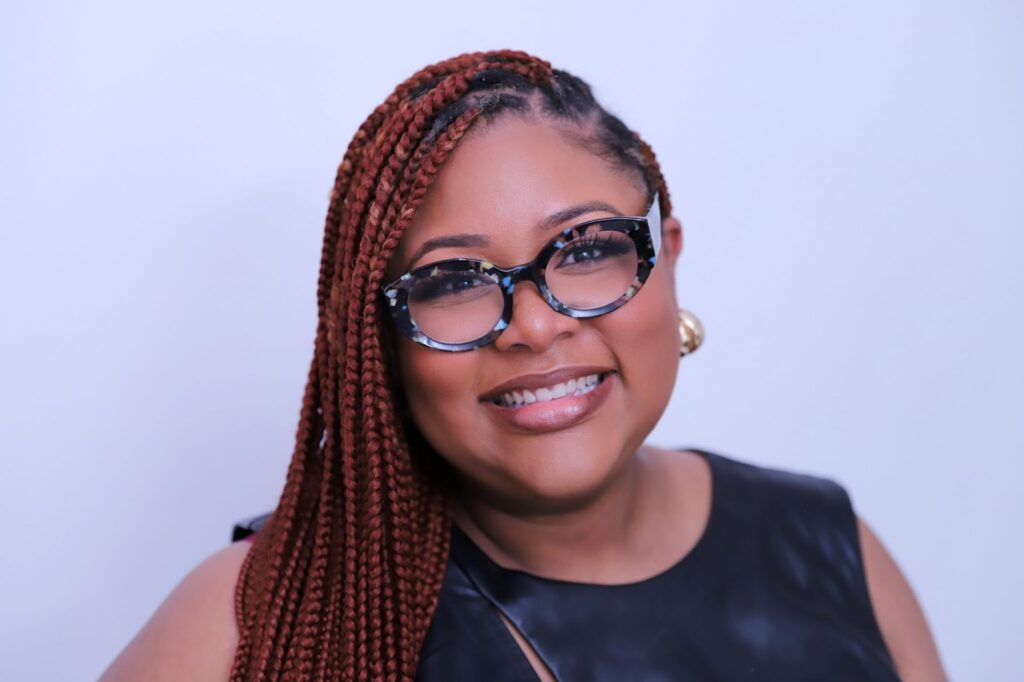
Rev. Chelsea Brooke Yarborough, Ph.D. (she/her) is from Baltimore, MD and is the Associate Director of Leadership Programming at the Association of Theological Schools. She earned her B.A. from Elon University (2012), her M.Div. from Wake Forest University School of Divinity (2015), and her Ph.D. in Religion from Vanderbilt University (2021).
Her research explores and expands ideas of proclamation and worship by engaging the methodologies that emerge from the rhetorical and ritual practices of Black women throughout history. Her book, Proclamation Beyond the Pulpit: The Expansive Homiletical Practice of Black Women (2025), considers the preaching insights from Fannie Lou Hamer, Nannie Helen Burroughs and Sojourner Truth. Yarborough’s work seeks to challenge normative power structures and traditional paradigms of proclamation, advocating for diverse platforms beyond the traditional church to amplify the voices of those that have not always been heard. At her core, she is dedicated to empowering individuals—regardless of their platform—to find, embrace, and use their voices to foster well-being, equity and the possibilities of flourishing. Yarborough is also a leadership coach, an Enneagram teacher, and a poet. Above all, she values her roles as a wife, daughter, friend, sister, and auntie. She is excited for the opportunity to serve RCWMS in this way and to co-facilitate with Chloé.
Chloé Griffin Wright (she/they) is from Greensboro, North Carolina and currently serves as the Assistant Director of Programming at RCWMS. She is also a PhD student in the Religious Studies department at the University of North Carolina at Chapel Hill.
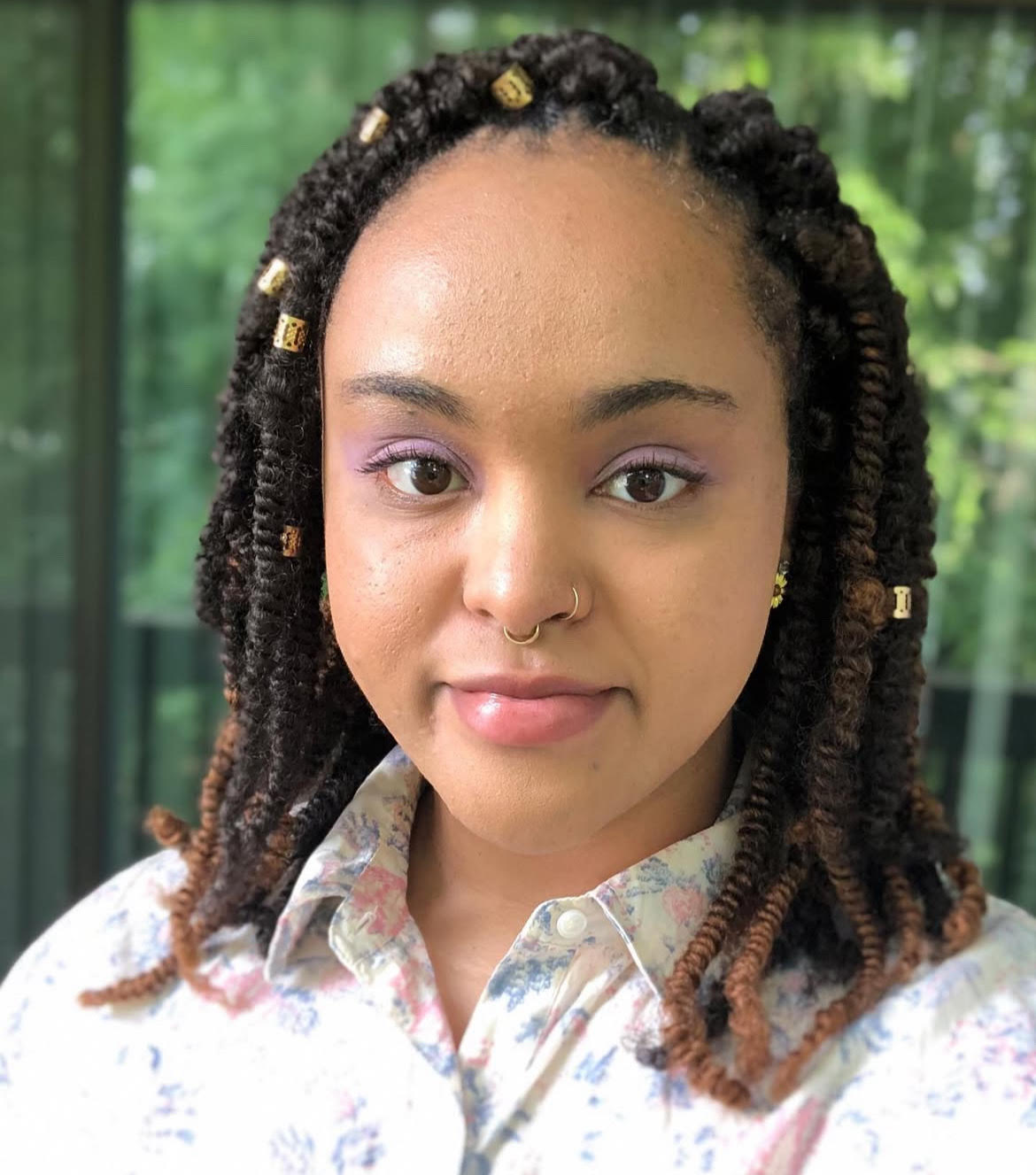
Their research focuses on the expansiveness and diversity of African American spiritual and religious traditions in the South, which will take the form of a dissertation through an ethnographic project alongside African American quilters in North Carolina as together they explore connections between spirituality and creative expression. They hold a BA in Philosophy with a History minor from UNC-CH and a Master of Divinity from Wake Forest University School of Divinity with a concentration in Interfaith Literacy and Leadership. Chloé credits her time working as Chelsea’s research assistant while Dr. Yarborough completed her dissertation as a major moment in “catching” the research bug. Co-facilitating with Chelsea now represents a full-circle moment.
What does participation look like?
- Full commitment to attending the following Zoom meetings, on Wednesdays from 4:30–6:30 pm Eastern Time:
- Jan 21
- Feb 4
- Feb 18
- March 4
- March 18
- April 1
- April 15
- April 29
- Engaging in spiritual practices and other brief activities in between sessions
- Communicating regularly with the facilitators
- Checking in between gatherings (via phone, Zoom, or in person for 15–30 minutes) with one of your peers, a fellow cohort participant
What can participants expect from RCWMS?
- A stipend of $500, distributed in two installments (*please note that missing more than one session may affect your stipend)
- An experienced and intentional co-facilitator, Rev. Dr. Chelsea Yarborough, to guide monthly gatherings
- Another dedicated co-facilitator, Chloé Griffin Wright, to respond to the needs and dreams of the cohort and co-lead with Chelsea
- Resources and readings sent via email
We’re seeking cohort applicants who are:
- Queer women (cis and trans), femmes, and queer nonbinary divinity and/or religious studies students
- Interested in connecting with other queer divinity students and contributing within a virtual community
- Available to attend the 8 scheduled gatherings from January–April 2026
- Willing to engage with brief readings, writing exercises, and/or spiritual practices in between gatherings
- Committed to maintaining confidentiality in regard to the identities and experiences of those in the cohort
- Priority will be given to applicants who are from the South, enrolled in school in the South, or connected to the South in a meaningful way
Apply HERE
Next Steps: Applications are due December 1, 2025. You will be notified with our decision before the end of December. If you have questions about Queer Divinity Students Thriving in the South or the application process, please contact Chloé Griffin Wright at chloe@rcwms.org.
RCWMS is committed to fostering the leadership of people of color, Native people, immigrants and refugees, low-income people, LGBTQ+ and trans* people, people with disabilities, survivors of sexual and/or domestic violence, and people living in the many intersections of these experiences. We strongly encourage people from these communities to apply and will not discriminate on the basis of race, ethnicity, color, socioeconomic class, gender identity, gender expression, sexual orientation, sex, religion, disability status, citizenship status, age, veteran status, or national origin.

Leave a Reply